At AGLUKON you get the total package because we not only offer premium products but also excellent advice and professional service.Christian Mette, Communications Manager
The right products in line with your needs
Effective nutrient solutions
You can apply nutrients in various ways. AGLUKON is both environmentally friendly as well as economical, providing you with products for efficient and modern applications. We combine the best from the latest research and innovations to offer you a complete set of solutions for most types of use. Our solutions for different applications, such as seed treatment and fertigation, help improve your results. Over the past several years, we have developed a strong focus on foliar nutrition.
-
 foliar nutrition
Foliar nutrition is an efficient method of applying nutrients directly to the plant parts right where they're needed. This ensures high quality and high yields from your crops.
-
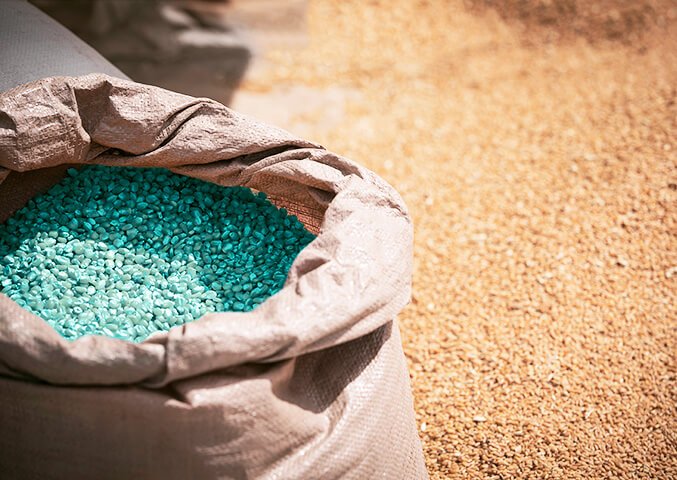 seed treatment
Seed treatment is the application of nutrients to the seed prior to planting, to enhance the seed value. The early nutrient demand of emerging crops is met, leading to better performance.
-
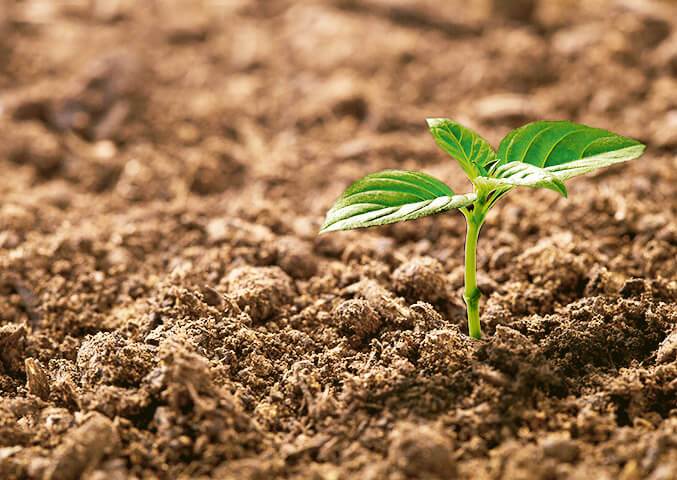 biostimulation
Biostimulants are derived from natural sources and are applied to plant parts to accelerate plant growth and improve resistance to plant stress. Nutrients are used much more efficiently.
-
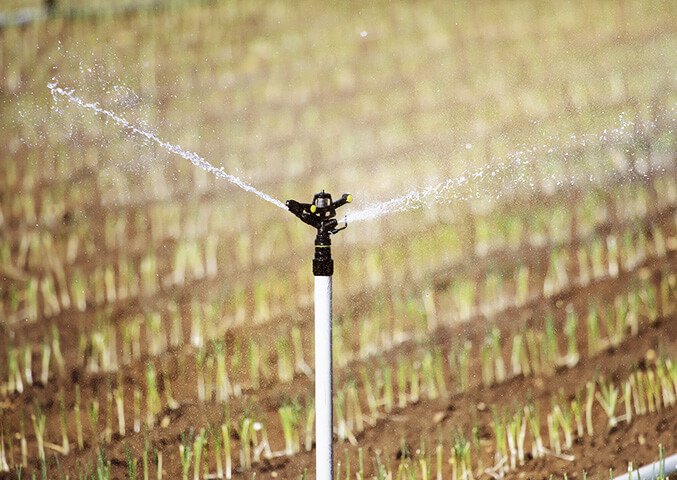 fertigation
In fertigation systems, nutrients are made available to the plant immediately. Irrigation systems supply plants with their optimal nutrient rations using a minimal amount of water.
-
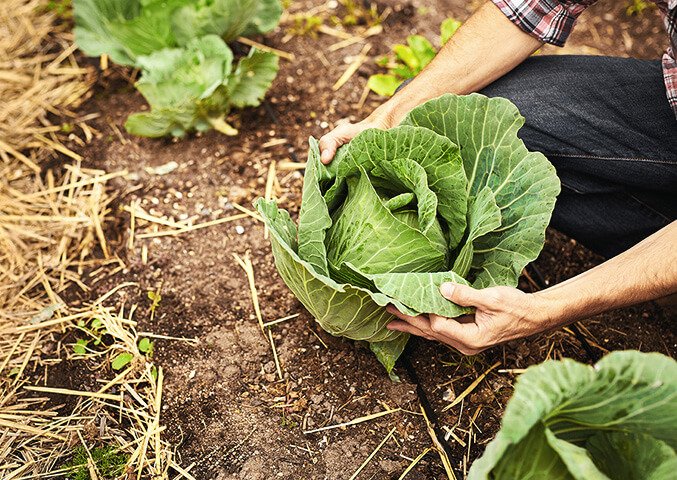 organic farming
Organic farming has become an established as well as rapidly growing market through limitations in fertilizer use. Naturally derived, specialty fertilizers are on the rise, experiencing high demand at an ever-increasing rate.
-
 slow release
Nutrients in slow release fertilizers become available to plants continuously over time. Adapted to plant growth, nutrients are provided in line with the plants’ growing requirements.